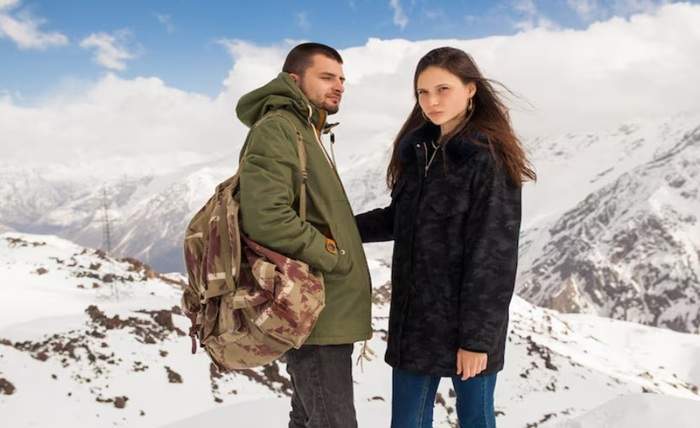
Every year, over 50,000 trekkers attempt the Everest Base Camp Trek, a legendary high-altitude adventure that draws adventurers from around the world. But in 2026, a question is circling every hiking forum, Reddit thread, and travel blog: Can you still do it without a guide? The short answer is it’s complicated. Nepal changed its trekking rules, and what was once a free-solo adventure is now subject to regulations that could land you in serious trouble or worse, in serious danger if you’re not prepared.
What Are the Current Rules for Trekking Everest Base Camp in 2026?
Is a Guide Mandatory for EBC in 2026?
In April 2023, Nepal announced that solo trekking without a licensed guide would no longer be allowed in major trekking regions, including Everest. The phased implementation is now complete and the rule is fully effective in 2026.
Here is what that means for you:
- You cannot legally trek to Everest Base Camp without a registered and licensed guide.
- Independent trekkers caught without a guide can face fines and be turned back at checkpoints.
- The rule applies to all foreign nationals trekking in designated conservation areas and national parks.
This came after a string of incidents: over 700 trekkers went missing or died in Nepal between 2016 and 2023, according to the Nepal Tourism Board. The government’s solution? Mandatory guides across high-risk routes.
Why Did Nepal Ban Solo Trekking?
What Problems Were Solo Trekkers Facing?
Think of it like driving on an unfamiliar highway in a foreign country with no GPS, no signal, and altitude slowly messing with your brain. That’s solo trekking at 5,000+ meters for many first-timers.
The main issues driving the policy change:
- Altitude sickness and emergencies with no one nearby to help
- Trekkers getting lost on poorly marked trails in bad weather
- Financial scams targeting vulnerable solo travelers
- Environmental damage from unsupervised trekking
Nepal’s government also cited economic benefits — guides and porters provide livelihoods to thousands of local families. The rule is both a safety measure and a way to support local communities.
What Documents and Permits Are Required for the Everest Base Camp Trek?
The Full Permit Checklist for 2026
You can’t just show up and start hiking. The EBC trek requires several permits, and your guide will typically help you obtain them. Here’s a breakdown:
| Permit | Cost (approx.) | Where to Get It |
| Sagarmatha National Park Entry | USD $30 | Monjo checkpoint or Kathmandu |
| TIMS Card (Trekkers’ Information Management System) | USD $20 | Nepal Tourism Board, Kathmandu |
| Khumbu Pasang Lhamu Rural Municipality Fee | NPR 2,000 (~USD $15) | Lukla or Monjo |
| Restricted Area Permit (if applicable) | Varies | Department of Immigration |
Important: Your guide will carry copies of these permits. Checkpoints along the trail — at Monjo, Namche Bazaar, and other points — will verify them. Missing documents = turned back. No exceptions.
What Does Trekking With a Guide Actually Look Like?
Is Having a Guide Worth It?
A lot of first-timers picture a guide as someone just walking next to them. In reality, a good local guide is part navigator, part medic, part cultural translator, and part emergency responder.
Here’s what a licensed guide does for you on the EBC trail:
Navigation & Logistics
- Knows the best teahouse stops at each altitude for acclimatization
- Manages your daily pace to prevent altitude sickness
- Handles all permit checks at government posts
Health & Safety
- Monitors your oxygen saturation with a pulse oximeter
- Recognizes early signs of AMS (Acute Mountain Sickness)
- Knows evacuation routes and helicopter rescue contact points
Cultural & Local Knowledge
- Explains monastery etiquette at Tengboche and Pangboche
- Helps you communicate with teahouse owners
- Adds depth to the journey you’d never get from a guidebook
A guide isn’t a crutch. They’re the difference between a good trek and a great — or potentially life-saving — one.
How Much Does It Cost to Hire a Guide for EBC?
Breaking Down the Cost of a Licensed Guide
Guides in Nepal are typically hired through a registered trekking agency. Here’s a realistic cost breakdown:
| Service | Daily Cost (USD) |
| Licensed Trekking Guide | $25–$40/day |
| Porter (carries your gear) | $20–$30/day |
| Guide + Porter combo (some agencies) | $45–$65/day |
A typical EBC trek takes 12–16 days round trip from Lukla. Budget around $400–$600 for guide services alone. This doesn’t include food, accommodation, flights, or gear.
Pro tip: Always hire through a government-registered trekking agency to ensure your guide is licensed, insured, and certified in first aid. Hiring off the street is risky and may not satisfy the legal requirement.
Can You Still Trek Independently in Any Way?
What Freedom Do You Have Without Going Fully Solo?
Yes — with nuance. Here’s the reality:
What you CAN do:
- Choose your own itinerary pace (with guide agreement)
- Trek with a small private group and a single guide
- Hire a guide but carry your own pack (no porter required)
- Book a fully self-guided style trip but with a guide present
What you CANNOT do:
- Trek without any licensed guide in designated areas
- Skip permit checkpoints
- Camp in restricted zones without proper authorization
Even experienced trekkers who’ve done EBC before are now required to follow the guide rule. The regulation doesn’t differentiate based on experience level.
How to Plan Your EBC Trek With a Guide in 2026
Here’s a simple roadmap to get you from your living room to Base Camp — legally and safely:
Step 1: Choose a reputable trekking agency Look for agencies registered with the Nepal Tourism Board. Check reviews on TripAdvisor, Google, or specialized trekking forums.
Step 2: Book your package early Spring (March–May) and Autumn (September–November) are peak seasons. Guides and teahouses book up fast. Aim to book 3 to 6 months ahead.
Step 3: Sort your permits Your agency handles most permits, but double-check TIMS and national park fees are included in your package.
Step 4: Get travel insurance Non-negotiable. Make sure it covers high-altitude trekking above 5,000m and helicopter evacuation. Many standard travel policies don’t.
Step 5: Acclimatize properly The classic EBC itinerary includes rest days in Namche Bazaar and Dingboche. Don’t skip them even if you feel fine. AMS can hit fast at altitude.
Step 6: Pack smart Your guide will advise on gear, but essentials include layered clothing, a quality sleeping bag rated to -10°C, trekking poles, and a water purification system.
Guided vs. Independent EBC Trek: A Quick Comparison
| Factor | With Guide | Solo (Now Illegal) |
| Legal Status | ✅ Fully Legal | ❌ Against regulations |
| Safety | ✅ High | ⚠️ High Risk |
| Emergency Help | ✅ On-site support | ❌ You’re on your own |
| Local Knowledge | ✅ Rich cultural context | ❌ Limited |
| Cost | Higher upfront | Lower but illegal |
| Environmental Impact | ✅ Managed | ❌ Often unmanaged |
| Permit Compliance | ✅ Handled by agency | ❌ Easily missed |
The math is simple: trekking with a guide isn’t just a legal requirement — it’s the smarter choice.
Common Questions About EBC Trekking Rules
What happens if I get caught trekking without a guide?
You’ll likely be turned back at a checkpoint and could face a fine. In serious cases, you may be blacklisted from future permits. It’s not worth it.
Can I do a day hike near Namche Bazaar without a guide?
Day hikes within a village area for acclimatization may be more flexible, but always check current regulations with your agency or the local municipality office.
Are there age or fitness restrictions for EBC?
There’s no official age cap, but you should be in good cardiovascular health. Consult a doctor if you’re over 60 or have any heart, lung, or blood pressure conditions. Children can trek, but typically up to Namche Bazaar is recommended.
Key Takeaways
✅ Guides are legally required for the Everest Base Camp Trek in 2026 no exceptions for foreign trekkers.
✅ Permits cost approximately $65 USD in total and must be carried at all times.
✅ A licensed guide costs $25–$40/day and is worth every rupee for safety and experience.
✅ Book early — spring and autumn seasons fill up months in advance.
✅ Travel insurance with high-altitude and helicopter evacuation cover is essential, not optional.
✅ The ban on solo trekking is about saving lives over 700 incidents in under a decade made this inevitable.
✅ Nepal Hiking Team offers fully licensed, expert-guided EBC packages with experienced local guides, all permits handled, and 24/7 support throughout your trek.
Final Thoughts
The Everest Base Camp Trek is still one of the greatest adventures on earth. The mandatory guide rule doesn’t take that away if anything, it enhances it. You’ll walk through ancient Sherpa villages, past fluttering prayer flags, and under the shadow of Ama Dablam and arrive at 5,364 meters with a team that’s invested in your success.
If you’re serious about doing EBC right in 2026, start with a trusted, locally rooted agency. Nepal Hiking Team has been guiding trekkers to Everest Base Camp for years, with highly skilled as well as experienced guides who know every stone on the trail and every symptom of altitude sickness to watch for. They handle your permits, your safety briefings, and your teahouse bookings so you can focus on the experience of a lifetime.