Casinos were around before movies. But movies changed how they look. In films, casinos seem brighter than real life. It looks cleaner. One good scene can change how a game feels in the public mind. People start copying the style. They repeat the lines. They chase the mood. Over time, movie moments became part of casino culture.
Why Casino Scenes Stick in Memory
Casino games are visual. Cards flip. Chips stack. Dice bounce. Film loves that. It turns simple actions into suspense. A quiet bet becomes a turning point. A glance becomes a threat. A win becomes destiny. These scenes stick because they show pressure in a clear way. They make risk feel glamorous even when it is not.
The “Cool Gambler” Myth Was Built on Screen
Many people imagine gamblers as calm and sharp. That image comes from movies. Film gamblers rarely panic.
- They rarely make boring choices
- They always seem to know something
- They win at the perfect moment
- They walk away with style
This shaped how people view online casino games. It made gambling look like personality, not probability.
Slots Became a Symbol of Fate
Slot machines are simple. Pull, spin, wait. But movies use slots as symbols. Luck. Desperation. Sudden hope. A character hitting a jackpot often marks a turning point. Life changes in one second. This shaped how people see slots. A miracle machine. The truth is quieter, and movies are louder.
Casino Heist Films Changed How People View the House
Some movies focus less on games and more on beating the casino. Ocean’s Eleven is the classic example. It made casinos look like giant machines of control. Security rooms. Cameras. Hidden systems. The casino becomes a villain.
This changed public perception. People started thinking that casinos are unbeatable by design. That idea made gambling feel more intense. It also made the house feel powerful.
The Dark Side: Movies That Made Gambling Look Dangerous
Not all casino scenes are glamorous. Some show collapse. Films like Uncut Gems show the chaos of risk. They show obsession, debt, and panic.
These stories influence viewers, too. They remind people that gambling can spiral. The impact is emotional, and it shifts gambling from “fun” to “danger.”
How Film Changed Real Casino Behavior
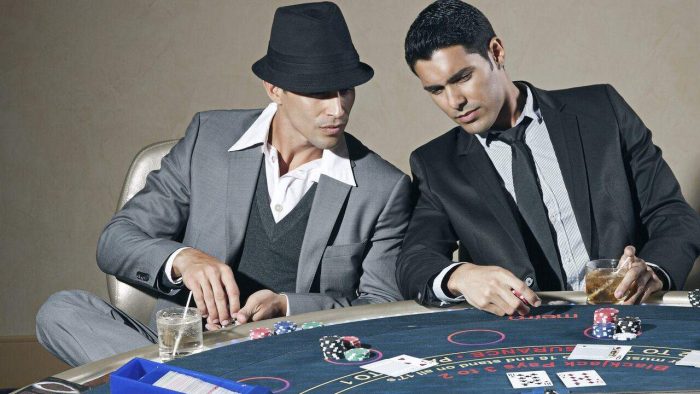
Movie influence shows up in real casinos. In how people act. Players copy styles. They sit like movie characters. They speak in confident tones.
Some overbet to create a “moment.” They chase the drama they saw on screen. Casinos benefit from this. Film makes the environment feel meaningful. Meaning keeps people playing.
The Gap Between Cinema and Reality
Movies need clean stories. Casinos do not offer that. Real gambling is repetitive. Wins are uneven. Losses are common.
Film compresses time. It turns small decisions into big scenes. That gap matters. Because people carry film expectations into real play.
Casino Sound Design Changed How Games Feel
Movie casinos sound unreal. Chips snap loudly. Cards slide like silk, but they shape how viewers imagine casinos. Even in real casinos, people expect that soundscape now. Film trained the ear to link those noises with tension.
Why These Scenes Still Matter Today
Casino scenes keep shaping culture. Even for people who never gamble. They influence fashion, language, and attitude. They also shape how games are described.
Poker feels “serious.” Blackjack feels “smart.” Roulette feels “fateful.” Slots feel “miraculous.” Those perceptions come from film.
The Real Legacy of Casino Movies
Movies did not teach odds. They taught emotion. They made games feel like identity tests. They made casinos feel like temples of luck.
Some scenes brought new players in. Others warned people away. Either way, the influence is strong. Casino games exist in real life. But many people first met them in movies.